
Many management experts and self-help gurus talk about the difference between perception and perspective.
Perception is how we see and interpret the world, taking in information and processing it. Our perceptions are formed by experience and filtered through our own attitudes, values and beliefs.
Perspective is the observation of the world from outside your own mind. It’s the ability to appreciate other points of view and to empathise with the perceptions that others have.
A lesson from a Christmas past
Charles Dickens, writing 180 years ago, created a memorable portrait of this particular facet of human psychology.
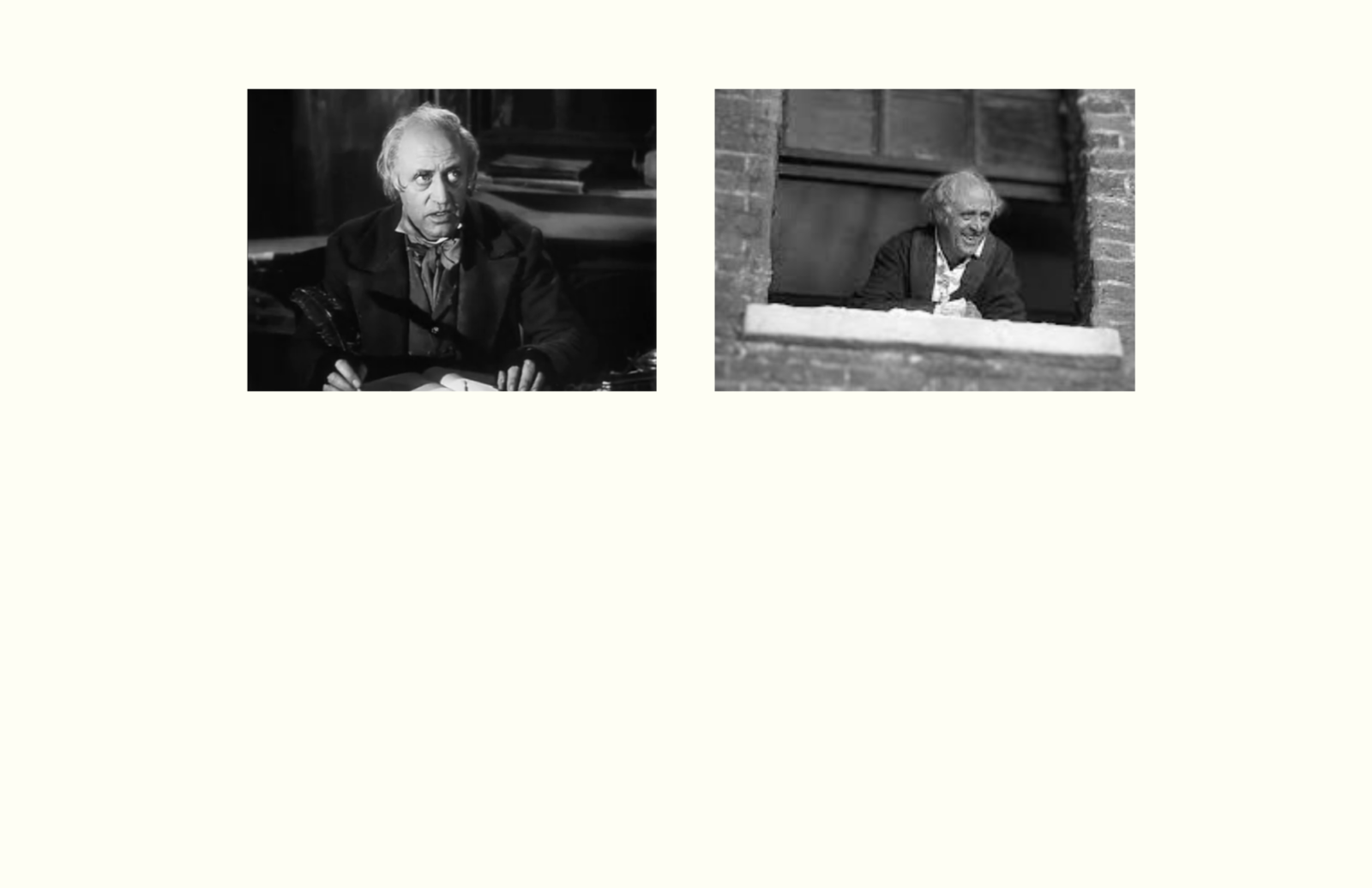
An early scene in his beloved ‘A Christmas Carol’ finds Scrooge accosted in his office by two well meaning ‘portly gentlemen’ who are seeking donations for the poor and destitute.
Scrooge is rude to them and asserts that the law and the prison system provide well enough for the ‘badly off.’ In his refusal to help, he insinuates that the less fortunate deserve their fate.
As the story unfolds, we realise that Scrooge is a victim of his perceptions, his own internal view of the world and how things work. But by the end of that fateful Christmas Eve, his outlook has expanded. With new-found empathy and understanding he changes his ways and becomes a kind and generous man after all.
Expanded perceptions enable perspective
In the modern world, our perception sometimes is overwhelmed with too much stimulation—everyone’ s opinions, relentless news feeds, choice overload.
The filter gets congested, making it hard to see clearly anymore, which impacts how we act and react.
Our friends say: ‘You’re too close to it.’ At work we’re told: ‘Don’t take this personally.’
Perception isn’t bad; it often fuels creativity and innovation. But because perception is internal, it’s only half of the story.
Perspective, on the other hand, is looking from the outside. Perspective is the ability to appreciate how others see and experience things. With perspective you get context, and the bigger picture comes into focus. Instead of thinking that anyone who doesn’t share our opinions must be wrong, having perspective, like the enlightened Scrooge, means we seek to understand where they’re coming from.
Being able to separate the emotional from the rational helps with making good decisions. This basic tenet of Stoicism is not passive or fatalistic; rather, it’s about acknowledging what you can and cannot control and realising how you can use your own influence. It’s what good leaders know. It’s what successful investors do.
We chose ‘Property in perspective’ for our company tagline for a reason
Everyone is human with their own unique feelings and intuition. At Longview, we work best when we appreciate our clients’ ambitions as well as their reservations. It’s our job to help clients keep an eye on the big picture: how a particular project fits in their portfolio, what their objective is when evaluating an investment, using their head as much as their heart when choosing a home. We strive to be persistent in pursuing opportunities and patient in managing perceptions.
That’s ‘Property in perspective.’
Happy holidays!
To subscribe to updates from Longview, fill in the form below:


